Boston traded a 29-year-old Finals MVP to the rival team that had just knocked it out of the playoffs, got back a 36-year-old on an expiring contract and a fistful of picks, and told everyone this was the smart move. As a basketball transaction it is close to indefensible, and the loudest voices in the sport said so within the hour. But the trade only looks insane through the one door that stays shut. Open the other four and the whole thing snaps into focus.
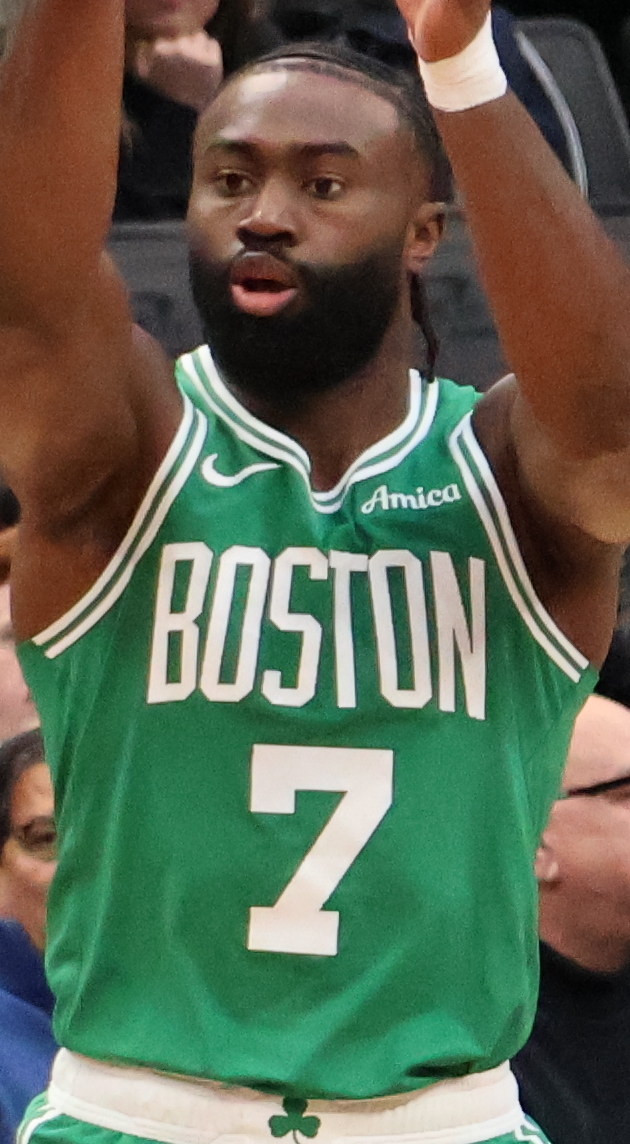
I. Owned by People Who Price Risk for a Living
Start with who signs the checks now. In March of 2025 a group led by Bill Chisholm bought the Celtics at an initial valuation of $6.1 billion, a blended figure that climbs toward $6.6 billion when the deal fully closes in 2028. It was the richest price ever paid for a North American sports franchise. Chisholm is not a car dealer or an oil family. He is the managing partner of Symphony Technology Group, a software-focused private equity firm, and his bid leaned on more than a billion dollars committed by Sixth Street, a fund that also holds pieces of Real Madrid, Barcelona, and the Spurs.
Here is the part that aged into a warning. When Steve Pagliuca lost the bidding, his group left a line on the record about the winning offer. Their money, they said, carried no debt and no private equity capital that could one day hamstring the ability to compete. Read that again with a Finals MVP freshly shipped out of town.
"A team owned by people who price risk for a living, operating under a tax code built to punish expensive rosters, chose optionality over a star in his prime."
Now the on-court math that makes the incentive real. The new collective bargaining agreement turned the second apron into a cage, and Boston learned it the hard way, shedding useful players just to breathe. Brown was owed roughly $183 million over three years and was days away from being eligible for another enormous extension. Jayson Tatum is due a similar deal. The front office decided it did not want two maximum salaries unless that pairing was a guaranteed championship formula, and it swears there was no directive from ownership and no cost-cutting motive. Take them at their word. You still do not need a smoke-filled room to explain this. You need incentives, and the incentives all point one direction.
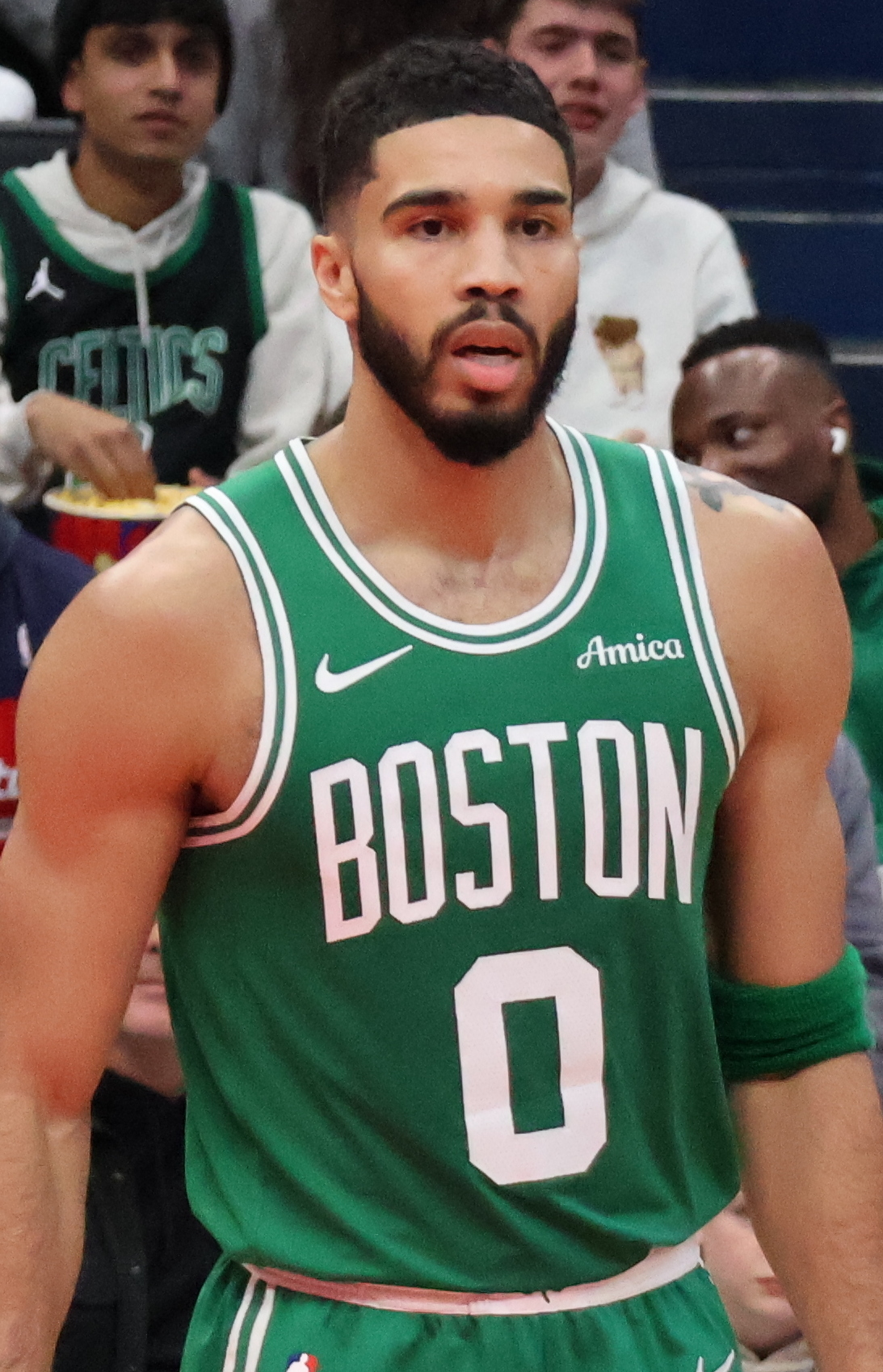
II. The Ironman Has Been Playing Hurt for Years
The reputation says Brown is indestructible, and the raw count backs it up. Nobody in the league logged more combined regular season and playoff games across his ten years. But durability and health are not the same thing, and on his own Twitch channel he has slowly told on himself.
The record, in his words and to The Athletic, goes like this. He tore the scapholunate ligament in his left wrist in 2021, had surgery, then reinjured it in 2023. Surgeons have since cleaned out loose bodies, the small floating fragments that collect in a damaged joint. He has managed the thing for years with platelet-rich plasma and stem cell injections. At one of the low points he could barely dribble with his left hand, which is exactly why defenders spent seasons daring him to go that direction. His own summary of it is the quiet tell of this entire saga.
"It is never going to be the same. Some days I can feel the weather, I can know a storm is coming, based on how my wrist is feeling."
One correction worth making, because it strengthens the point rather than softens it. This is not the vague nerve damage people sometimes assume. It is chronic ligament and joint damage in the hand that controls the ball, and for a downhill slasher who lives on grip, body control, and finishing through contact, that may be the worse diagnosis. Add the partially torn meniscus he gutted through in the 2025 playoffs and the picture sharpens. Philadelphia is not buying a clean 29-year-old. It is buying a magnificent player whose wrist talks to him about the weather.
III. He Owns the Microphone Now
Notice where Brown gave his first real reaction. Not to a beat writer, not in a podium scrum, but to his own audience on his Twitch channel, FCHWPO, for nearly an hour. He read his farewell statement, thanked the city and the fans, and pointedly did not thank the organization. He joked that Boston had already packed his bags for him. He called his new teammates live on the air. He said the season that just ended, the one after Tatum went down, was still his favorite as a Celtic, a strange thing to say about the year following a championship, and a revealing one. He even admitted he drove up to the facility to see if the trade was real and found his key card already deactivated.
Running underneath all of it was the year-long war he waged against anonymous sources. After a report relayed an unnamed executive calling him a seventh-best player, Brown answered with two words he once wore on a shirt during the championship parade: state your source. On stream he said plainly that he is tired of anonymous executives and anonymous sources speaking for him. Then he landed in Philadelphia and offered three words of his own. The Process is back.
The lesson is bigger than one trade. The modern star has built private distribution and no longer needs the league media layer to speak, spin, or grieve in public. This saga is the clearest proof yet.
IV. Hugo González Walks Through the Open Door
Here is the part you can hold me to. As a rookie González averaged a forgettable 3.9 points in about fifteen minutes a night, and casual fans filed him away as a defense-first project. That is a mistake. Watch what he did whenever the floor actually opened. In the stretches Tatum sat, he put up roughly twelve to thirteen points and nine rebounds on close to twenty-nine minutes. He dropped eighteen points and sixteen boards on Milwaukee in a single night, a line that put a twenty-year-old next to Larry Bird in the Celtics rookie record book. This summer he gave Spain sixteen points, five rebounds, and five assists in World Cup qualifying. He finished third among all rookies in plus-minus and earned All-Rookie votes without ever needing the ball.
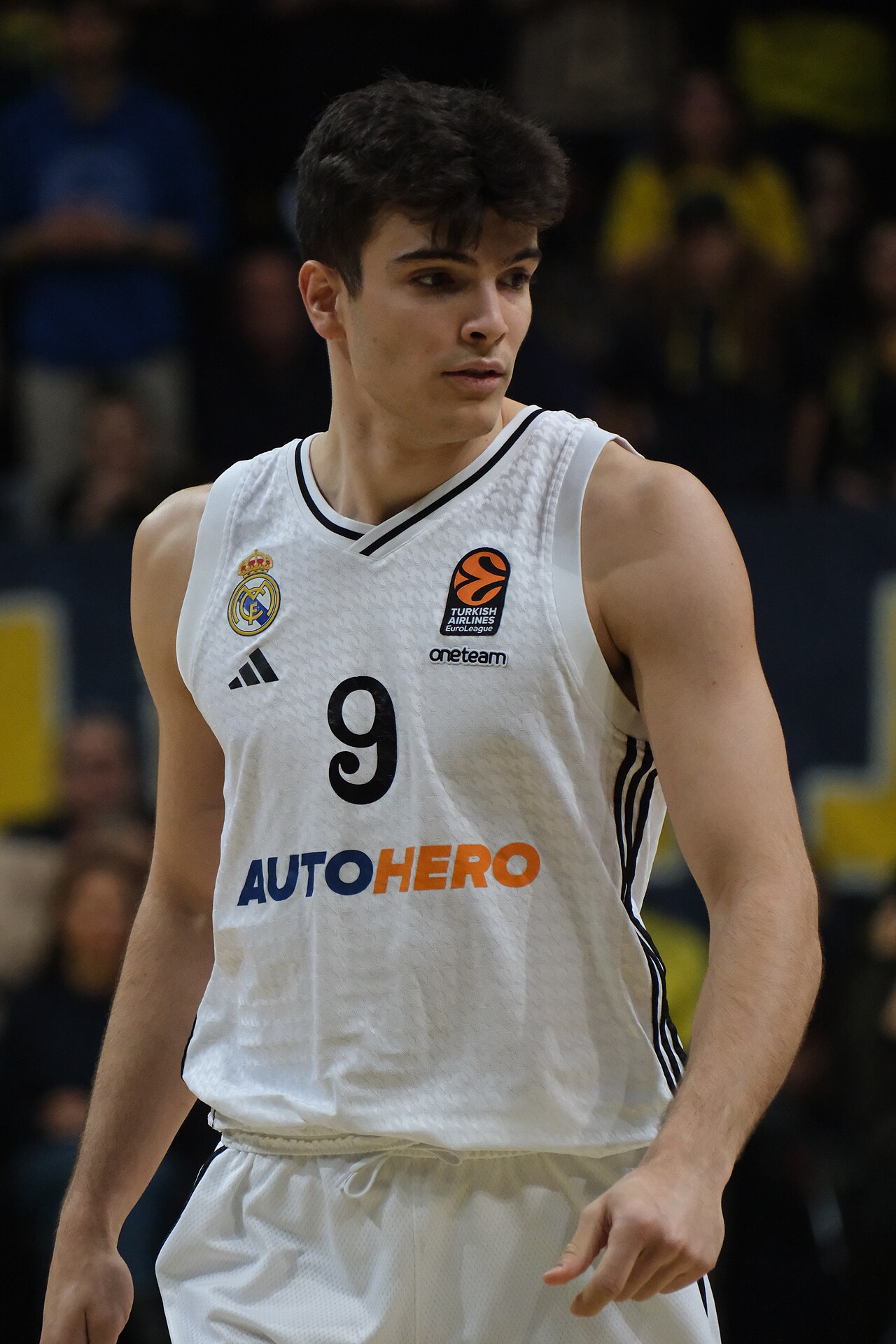
Now subtract Jaylen Brown and his 28.7 points a night from the roster. That usage does not evaporate. Those minutes, those shots, and that shot creation get redistributed, and González is precisely the archetype Boston will feed: a six-foot-six wing who defends every perimeter spot, rebounds like a big, runs the floor, and has finally started letting it fly from deep.
Prediction — You Heard It Here First Hugo González scores 15-plus points per game in 2026-27 and earns a genuine seat in the Sixth Man of the Year race.
The efficiency flashes are real, the opportunity is enormous, and the motor never switches off. Fifteen a game is not a reach for a player about to inherit a starter-sized role on a team that just gave away its number-two scorer.
One delicious wrinkle sits inside the prediction. The single biggest threat to his Sixth Man case is that he plays too well to come off the bench at all. With Brown gone, Boston may simply insert him into the starting five, and the award requires more games as a reserve than as a starter. So if González misses out on Sixth Man of the Year, it will most likely be because he was too good for the category. I will happily take that version of being wrong.
The Last Word
None of the four doors is the basketball door, because the basketball door does not open. But read the deal as a balance sheet, a medical chart, a media empire, and an opening for the next man in line, and a trade the entire sport called indefensible becomes almost legible. The private equity era has arrived at the parquet. The only question left is whether the kid from Madrid turns the opening into a banner of his own.
Reporting drawn from The Boston Globe, ESPN, NBA.com, CBS Sports, The Athletic, Sportico, and Jaylen Brown's own FCHWPO stream. Analysis and predictions are the author's. Hold me to the González call.